

Keeping your vacuum cleaner clean: Here’s how to do it!
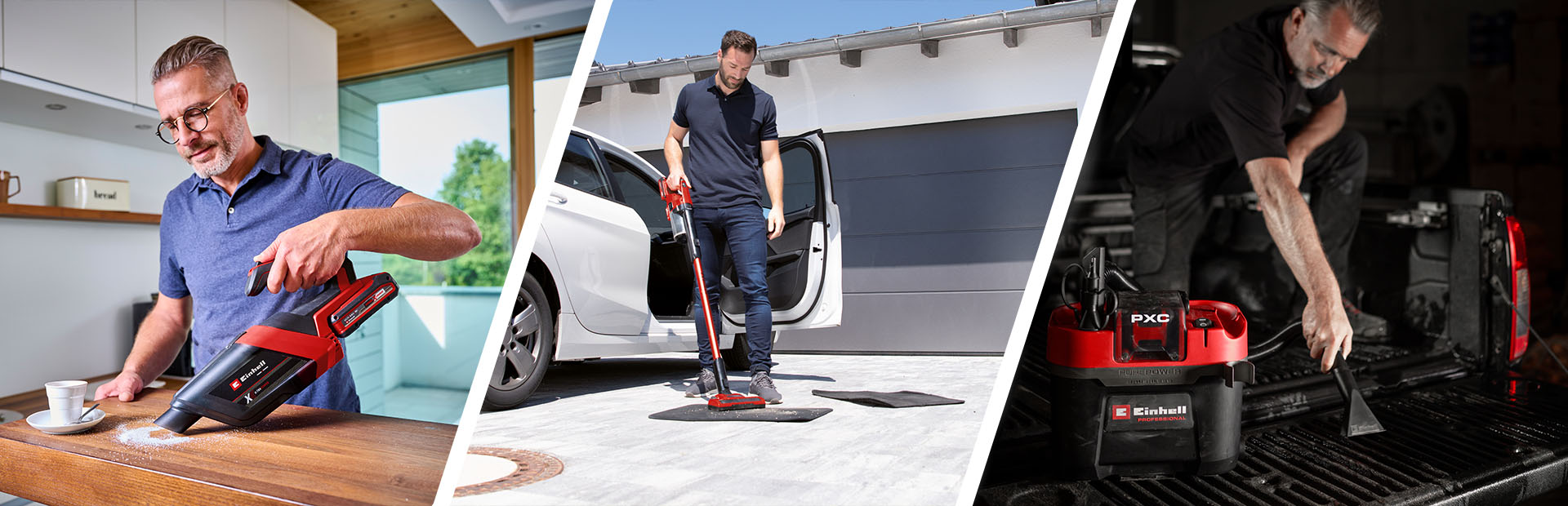
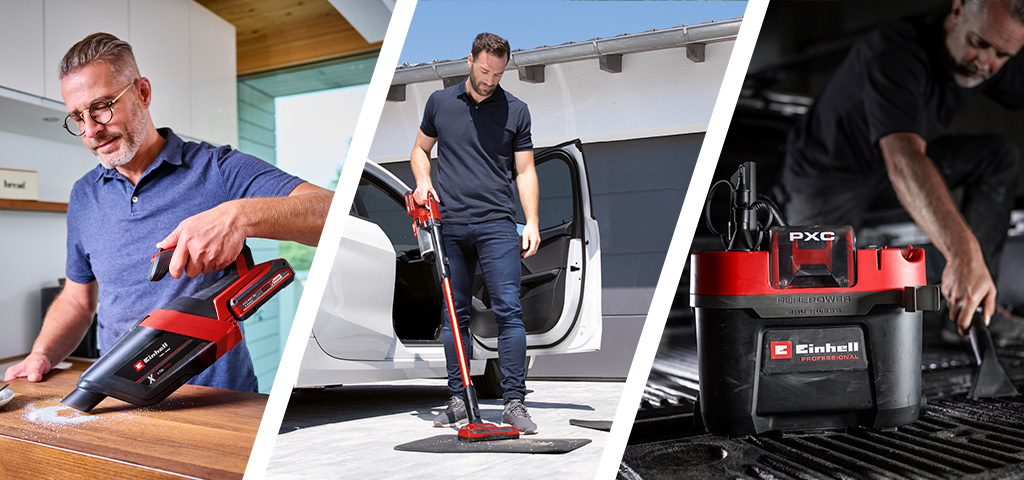
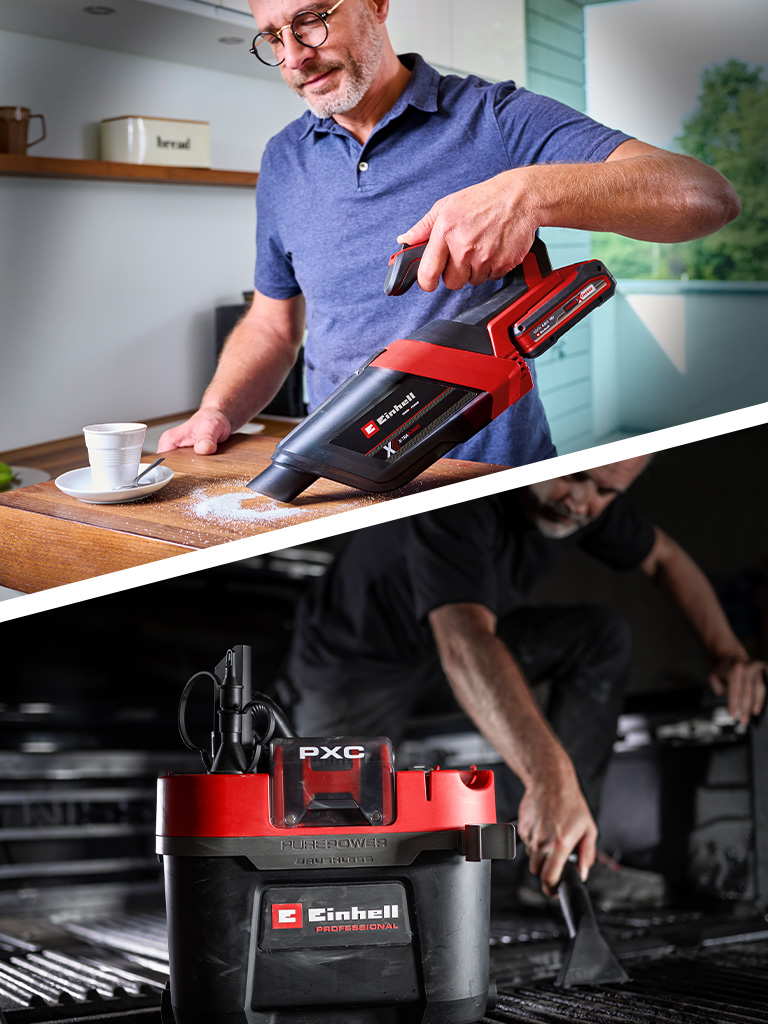
Everything about clean filters, bags, and nozzles.Your own vacuum cleaner is an all-round talent in the household: whether bread crumbs, pet hair, or liquids – with different types of vacuum cleaners, all kinds of dust and dirt can be removed. Our living spaces, as well as car interiors, benefit from these powerful cleaning devices, but how do we take proper care of them so that their full suction power and a long service life are maintained?
From bagless cordless stick vacuums and special brushes to professional wet-dry vacuum cleaners with HEPA filters, there are several important steps to follow to achieve perfect cleaning results. In this article, you will learn how often you should really clean your vacuum cleaner and which individual parts require special attention.
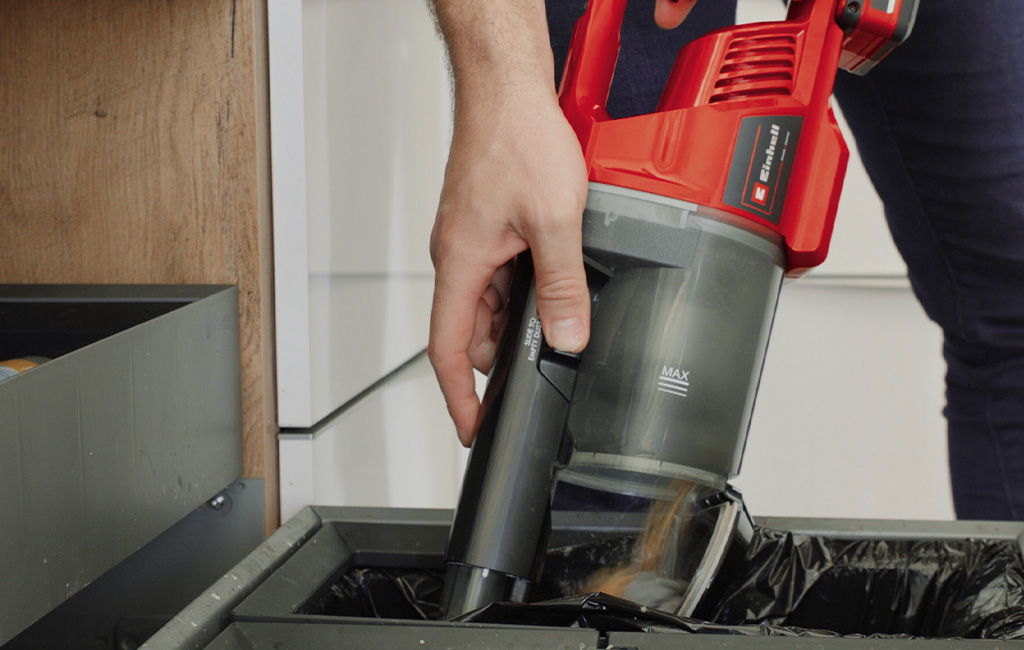
The practical cyclone container collects everyday dirt — but it should also be cleaned regularly.
Why do vacuum cleaners need to be cleaned?
Whether bagless stick vacuum, classic corded canister vacuum, handheld vacuum, or wet-dry vacuum: anyone who does not clean their vacuum cleaner regularly must expect reduced suction power, unpleasant odors, as well as the formation of fungi and bacteria that can spread throughout the house when using a dirty vacuum.
Your cleaning routine should be adapted to your personal usage and the area of application: vacuums that remove pet hair, dirt, and liquids, or those used on construction sites to pick up harmful substances, require more intensive care. With our guide, you will be perfectly prepared for the step-by-step cleaning of your vacuum cleaner model!
What should be cleaned and when?
In general, the maintenance of vacuum cleaners can be divided into external cleaning and internal cleaning, each of which includes different components. The “outer shell” of the vacuum cleaner includes the housing, the nozzles and attachments, and, if present, the wheels. The interior of the vacuum cleaner refers to the hose, the tube, the filter system, and the bag or dust container.
Depending on the model, the procedure may vary. Taking a look at the instruction manual is always worthwhile!
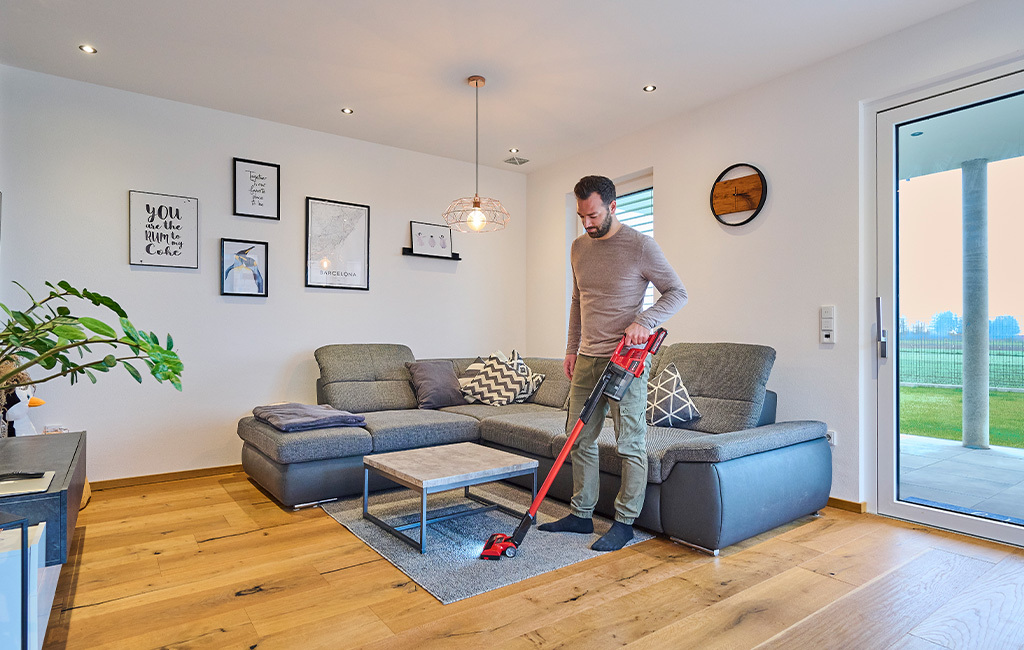
In addition to regular cleaning, a thorough deep cleaning about twice a year is recommended.
External cleaning
Whether parquet or carpet: the nozzles and brushes form the front line in the fight against dirt and pick up dust particles directly from the floor. They should therefore be cleaned regularly so that dust and dirt can continue to be vacuumed up effectively during future use. Hair in particular can cause blockages and should be removed after every use — or, depending on the intensity of use, about once per week.
You should clean the housing and, if present, the wheels of your vacuum cleaner at your own discretion. It is recommended to do this during a thorough cleaning of the vacuum, about twice a year.
Internal cleaning
Inside your vacuum cleaner, dust and particles accumulate especially quickly. With bagless cordless stick vacuums and handheld vacuums, you should empty the dust container after every use if possible and wipe it out when necessary. For bagged vacuum cleaners, it is recommended to change the bag regularly to reduce odors and the buildup of mites — usually every 6–8 weeks, or every 2–3 weeks in households with pets.
The filters also need care: as a rule, you should remove loose dust from them about once a month and — depending on how intensively the vacuum is used — replace them after a few months (usually sooner if you have pets). At the same time, it is worth cleaning the hose and tube, as dirt can accumulate there unnoticed.
Note
Bagless cyclone systems with washable pleated filters (e.g. on the Einhell TE-SV 18 Li-Solo) make cleaning easier and save ongoing costs for replacement bags.
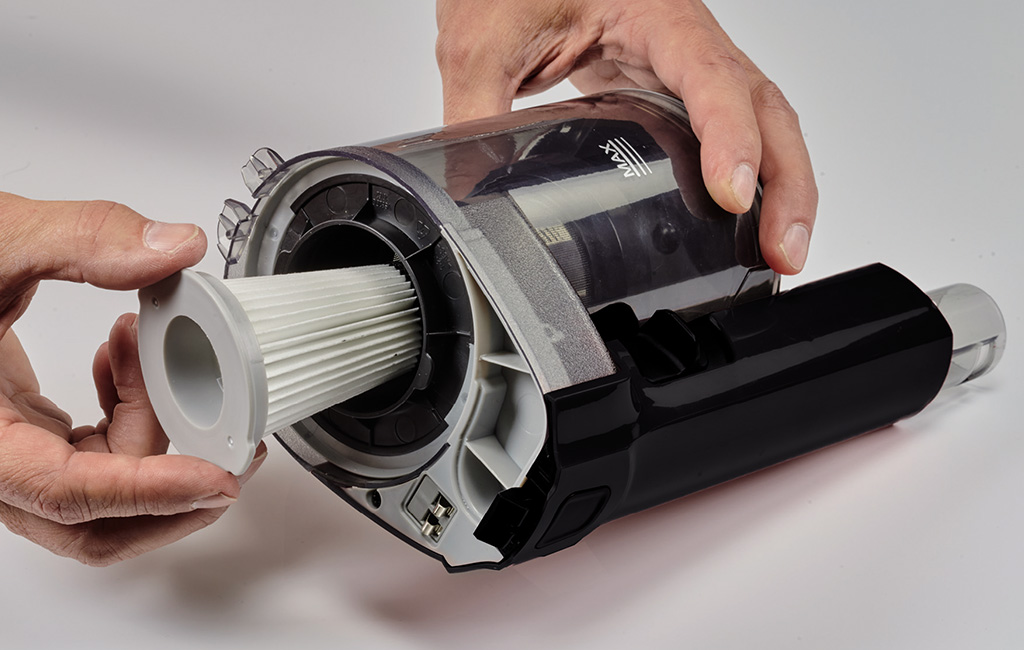
Filters are among the most important components and should be cleaned or replaced regularly.
Components with heavy dirt buildup
The filters ensure that clean air is blown back out by trapping the smallest particles, skin flakes, and pollen. As a result, a wide variety of particles collect in them and should be removed regularly. You can tell that your filter urgently needs to be cleaned or replaced by the following signs:
- Unpleasant odor while vacuuming
- Reduced suction power
- Fine dust settles on surfaces
- The filter is heavily discolored (gray to black)
The nozzles and brush rollers of the vacuum cleaner are also exposed to a high level of dirt and should be kept clean as well.
INFO: Filter systems and terminology
Depending on the type of vacuum cleaner, different filter systems are used. But what types are there, what are they for, and how do they differ?
Most conventional vacuum cleaners have two dirt filters, meaning a dual filter system consisting of a pre-filter / main dust filter (also called a coarse filter) and an exhaust filter (also called a fine filter).
Pre-filter: Usually located at the very front inside the device and captures larger debris such as hair or coarse crumbs.
Main dust filter: This is the dust bag itself in bagged vacuum cleaners. In bagless vacuums, this is the cyclone or pleated filter, or the dust container plus fleece filter, which retains most of the dust.
Motor protection filter: In bagged vacuum cleaners, the motor protection filter sits behind the dust bag / dust container. It prevents dust and particles from entering the motor.
Exhaust filter: At the end of the airflow path, the fine filter cleans the air that is blown back into the room. To prevent fine particles from being released back into the air, for example, our Einhell wet-dry vacuum cleaners use so-called HEPA filters (High Efficiency Particulate Air filters).
What is behind the HEPA filter?
HEPA filters reliably trap even very fine particles so that they do not return to the exhaust air. How thoroughly the air is filtered depends on the HEPA class: high-quality filters such as H13 or H14 capture even fine dust particles to a very high degree.
That is why devices with HEPA filters, such as our Einhell wet-dry vacuum cleaner TE-VC 2025 SACL, are particularly suitable for demanding construction site environments or for households with allergy sufferers.
The optimal cleaning of your Einhell stick or handheld vacuum cleaner
Now it’s time to get down to business: When using your device, you should generally make sure that the protective components, air vents, and the motor housing remain as free of dust and dirt as possible. Dry vacuum cleaners should, of course, always be used only with the appropriate filter.
Whether parquet or carpet: the nozzles and brushes form the front line in the fight against dirt and pick up dust particles directly from the floor. They should therefore be cleaned regularly so that dust and dirt can continue to be vacuumed up effectively during future use. Hair in particular can cause blockages and should be removed after every use — or, depending on the intensity of use, about once per week.
You should clean the housing and, if present, the wheels of your vacuum cleaner at your own discretion. It is recommended to do this during a thorough cleaning of the vacuum, about twice a year.
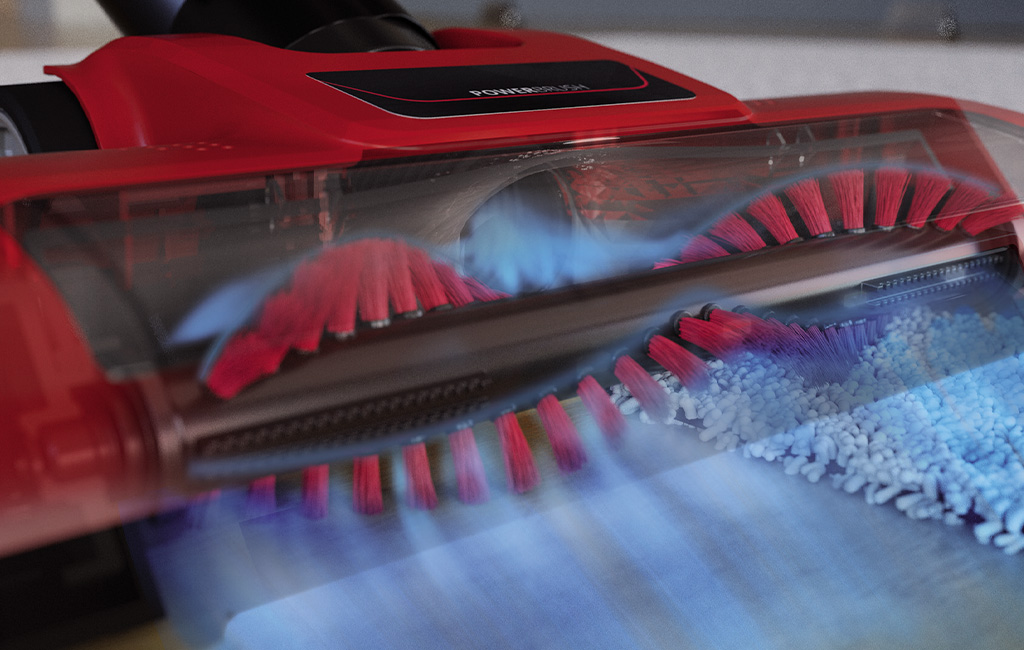
Tips & Tricks
- Vacuum tube: For very thorough cleaning, you can first blow out the tube and hose using our Einhell cordless compressor (PRESSITO 18/21) and then, in case of heavy dirt buildup, soak them in a bathtub or rinse them through with water.
- Nozzles and brushes: Light dirt can easily be removed by hand. You can also vacuum off the debris with a handheld vacuum or use a comb to help remove hair. In case of heavy dirt buildup, you can remove the brush or roller and soak it in water.
- Filters: When cleaning the filters, make sure not to damage them. You can gently tap the filter out or clean it with a small brush or paintbrush. Compressors are also ideal for this: carefully blow out the filter outdoors so the dust does not end up back inside the house. If the filter is very dirty, you can rinse it under water — if permitted — and, if necessary, use soft soap. Some filters can even be cleaned in the washing machine; to be safe, always check the instruction manual first.
Your next step-by-step guide
- Remove the battery from the device and take the filter out of the filter basket. Clean the filter by gently tapping it and using a fine brush to remove dust residues. If necessary, blow it out with a compressor, then — if stated in the instruction manual — wash it or clean it under running water with soft soap, and afterwards let it air-dry completely (at least 24 hours).
- Clean the filter basket under running water with soft soap and allow it to dry.
- Empty the dust container, clean it with a damp cloth and a little soft soap, and let it dry.
- Clean the vacuum tube: if necessary, first remove coarse dirt using a rod or stick, then rinse it through with running water in the shower or bathtub and let it dry.
- Clean the floor nozzle by removing hair, threads, and dirt by hand, then wash it under running water. For nozzles without bristles, cleaning with water (and possibly a little dish soap) is sufficient.
- Cleaning the brush roller: It is best to remove the brush roller from the housing and take off coarse dirt. After cleaning, place it back into the nozzle.
- Cleaning the housing: You can clean the device with a damp cloth and soft soap. Do not use harsh cleaning agents or solvents, as they may damage the plastic.
- After everything has completely dried, all parts can be reassembled.
Filters in particular, but also nozzles, tubes, and, if applicable, bags, are wear parts and should be replaced from time to time. With original Einhell spare parts, you ensure that your device remains powerful and reliable in the long term — perfectly matched to your model.
Side note: Cleaning a wet & dry vacuum cleaner
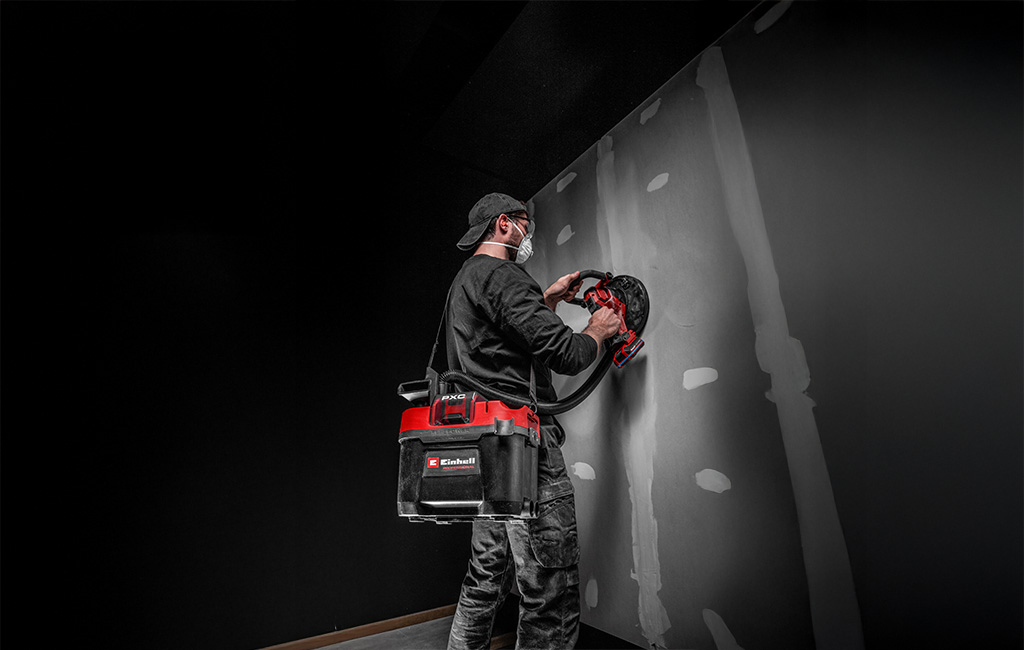
Our Einhell wet & dry vacuum cleaners are especially suitable for workshops and construction sites.
Cleaning a wet & dry vacuum cleaner
Unlike a classic household vacuum cleaner, a wet & dry vacuum cleaner is designed for significantly heavier use. Thanks to the larger containers and interchangeable filter systems, it can reliably pick up coarse debris such as wood chips or sanding dust, as well as liquids.
These versatile cleaning devices are especially useful in workshops, on construction sites, during renovations, or for garden work. The cleaning process therefore differs from that of typical dry vacuums, as liquids left inside the device can lead to mold formation if not removed.
- Emptying the collection container:
The durable plastic or stainless-steel container should be emptied after every use when vacuuming liquids to prevent mold growth. - Cleaning the filter:
Depending on the model, the filter must either be washed or replaced after a certain period of time. When cleaning or replacing the filter, always follow the instructions in the user manual. New foam, pleated, or fabric filters can be found in our product range. - Checking and cleaning the hoses:
The hoses of a wet & dry vacuum cleaner can become clogged due to deposits. Check them regularly and remove any dirt. Clean the hoses using a brush or compressed air. - Cleaning the nozzles and attachments:
The nozzles and attachments should be cleaned at regular intervals. This not only helps maintain suction power, but also ensures that the vacuum cleaner continues to clean surfaces effectively.
If a wet & dry vacuum cleaner is still new territory for you, don’t worry: we have already explained everything about the professional vacuum cleaner in another blog article:
Wet & dry vacuum cleaners: tips & application | Einhell guide
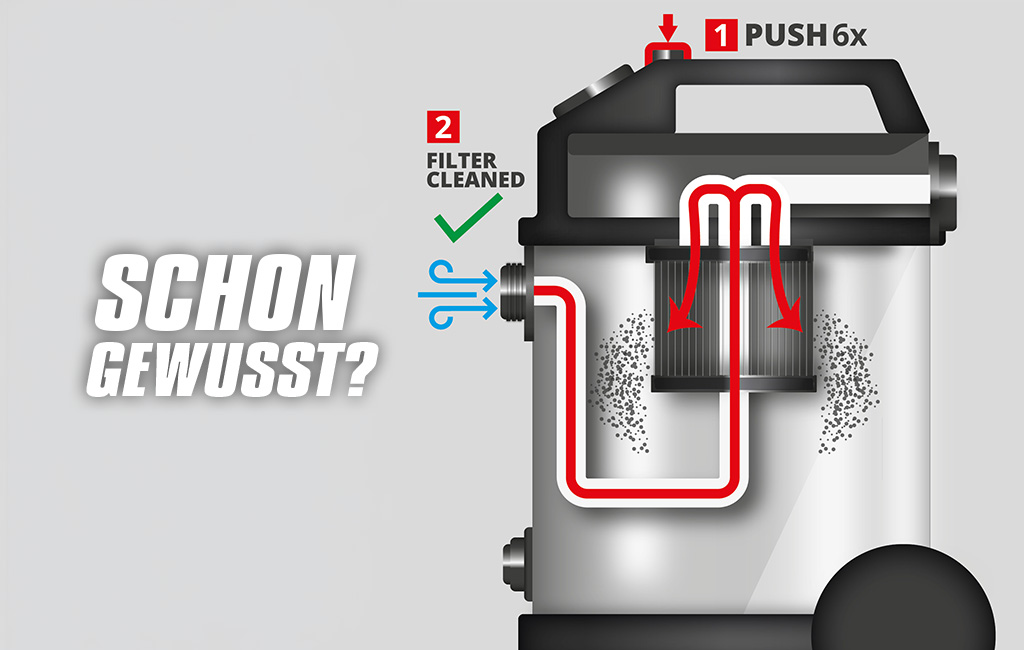
With the integrated filter cleaning function of the Einhell wet & dry vacuum cleaner TC-VC 4090 SACL, you can restore full dry vacuum performance at the push of a button — without removing the filter. This special filter cleaning function removes dust deposits from the pleated filter at the push of a button and restores the original suction power by reversing the airflow, which clears stubborn dust from the internally mounted filter.
This technology makes cleaning easier than ever!
Which vacuum cleaner is actually suitable for whom?
Quick and easy cleaning that is always within reach is essential in everyday life: our cordless vacuum cleaners are the perfect companion for this — and all without the hassle of a cable. However, with the huge selection available, choosing the right device is not that easy.
We’ll show you which vacuum cleaner is suitable for whom, so you can make the right choice when buying!
| Area of application | Suitable Einhell model | Your Einhell advantages |
|---|---|---|
| Apartment / household with pets | Einhell cordless stick vacuum cleaner TE-SV 18 Li | ○ Bagless, cordless — battery-powered ○ Pleated filter is machine-washable ○ Space-saving wall mount |
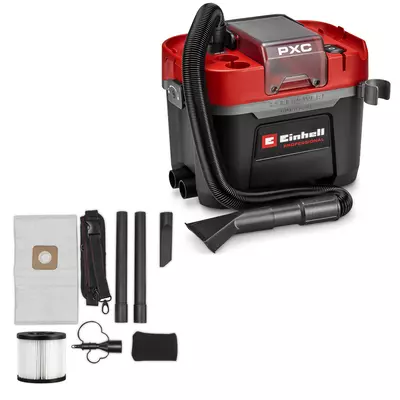
| Workshop & garden | Einhell Professional cordless wet & dry vacuum cleaner TP-VC 18/10 Li BL | ○ Also vacuums liquids ○ Large stainless steel tank ○ fewer emptying intervals during workshop use ○ E-Case compatible for protected storage ○ Designed for dust particles with AGW > 1 mg/m³ and dust class L (European standard) |
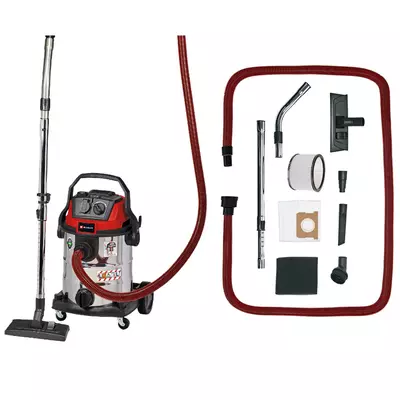
| Household with allergy sufferers | Einhell wet & dry vacuum cleaner TE-VC 2025 SACL | ○ HEPA filter – fine dust is reliably filtered ○ Special filter cleaning system |
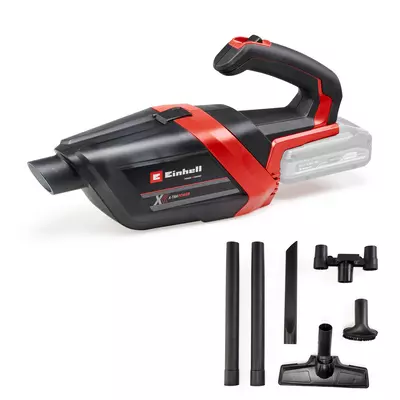
| Car interior cleaning | Einhell cordless handheld vacuum cleaner TE-HV 18/06 Li – Solo | ○ Compact and lightweight ○ Also reaches hard-to-access areas |

Conclusion: Proper care means better vacuuming
One thing is certain: so that our Einhell everyday helpers can continue to support us efficiently and reliably in removing dust, dirt, and liquids in the future, they also require thorough and regular cleaning. In particular, filters, nozzles, and collection containers should always be kept clean.
With small routines in everyday use and an occasional thorough cleaning, the suction power will be maintained in the long term — and fortunately, if needed, you can find all the spare parts directly on our website!
In this article, you will learn everything about:

Published on 16.03.2026
Melanie Gellrich works as a student trainee in the online editorial team at Einhell, where she handles virtually all content relating to tools, garden equipment and accessories. Her go-to Einhell tool in her student flat-share is the TE-SV 18 Li cordless stick vacuum cleaner – because a powerful vacuum cleaner helps to quickly tidy up the flat, even in the midst of student life.